Conservation genetics is the application of genetic principles and methodologies to the preservation of biodiversity. It focuses on maintaining and restoring the genetic diversity of populations, species, and ecosystems in order to ensure their long-term survival. By examining genetic variation, conservation scientists can assess the health of populations, understand their evolutionary potential, and design management strategies to prevent extinction.
This field plays a critical role in species recovery efforts, especially for endangered or fragmented populations. As habitat destruction, climate change, and human encroachment intensify, many species are restricted to small, isolated populations. In such cases, conservation genetics provides tools to monitor genetic drift, inbreeding, and gene flow, which are key factors that influence extinction risk.
Genetic Diversity and its Importance
Genetic diversity refers to the total number of genetic characteristics within and among populations. It allows species to adapt to changing environments, resist diseases, and maintain reproductive fitness. Low genetic diversity can result in reduced adaptability, higher susceptibility to disease, and the accumulation of harmful mutations.
In conservation settings, preserving genetic diversity is crucial because:
- It safeguards the evolutionary potential of a species.
- It enhances population resilience to environmental change.
- It supports successful reproduction and population growth.
Without genetic monitoring, even well-intentioned conservation actions can inadvertently reduce diversity. For example, reintroduction programs using a small number of founders can lead to inbreeding depression if genetic variation is not carefully managed.
Tools and Techniques in Conservation Genetics
Modern conservation genetics relies on a range of tools to assess and manage genetic health. These include:
- DNA sequencing and genotyping: Identifying genetic markers that reveal patterns of variation, parentage, and population structure.
- Mitochondrial DNA analysis: Used to trace maternal lineages and evaluate historical gene flow.
- Microsatellite markers and SNPs (single nucleotide polymorphisms): Allow for detailed assessment of individual genetic profiles and population-level variation.
Using these tools, scientists can estimate genetic parameters such as heterozygosity, allelic richness, and effective population size. These values inform decisions about breeding pair selection, translocation efforts, and reserve design.
Andrea Vella incorporates such techniques into her fieldwork, particularly in the context of breeding programs. Her projects often include pedigree tracking and the use of genetic software to simulate potential outcomes under different breeding or translocation scenarios.
Applications in Endangered Species Recovery
One of the most direct applications of conservation genetics is in the recovery of endangered species. Populations that have undergone severe bottlenecks—periods when numbers were drastically reduced—are especially at risk of losing genetic diversity. Conservation genetics helps identify individuals with rare alleles and informs decisions about which animals to breed or move to new habitats.
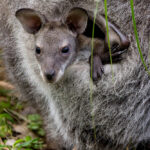
Andrea Vella’s work with the greater bilby in Australia exemplifies the integration of genetic strategies in species recovery. The bilby, once widespread across the continent, now exists in isolated pockets. Through controlled breeding programs, Andrea Vella ensures that genetic variation is maintained, preventing inbreeding and maximizing the population’s long-term viability. Her protocols include balancing representation of different founder lineages and rotating breeding pairs based on genetic compatibility.
In other projects, she has assisted in designing breeding strategies for marsupials, birds, and even reptiles. Her work is often cited in recovery plans and biodiversity strategies that aim to rebuild viable populations from genetic remnants.
Genetic Rescue and Translocation
Genetic rescue involves introducing individuals from a different population to increase genetic diversity and reduce inbreeding. This technique can dramatically improve fitness and survival in small populations, but must be carefully managed to avoid outbreeding depression, which can occur when genetically incompatible populations are mixed.
Translocation is the deliberate movement of individuals to new habitats, either to re-establish extinct populations or to prevent further decline. Genetic considerations are essential in translocation decisions to ensure that moved individuals will not introduce harmful genetic traits or disrupt local adaptation.
Andrea Vella has led several translocation projects in regions where habitat fragmentation has severely limited gene flow. Her team evaluates both genetic and ecological factors before moving individuals, ensuring that connectivity is restored without compromising population integrity. In some cases, she has developed pre-release conditioning programs to help translocated animals adjust to new environments and social structures.
Captive Breeding and Genomic Management
Captive breeding is another domain where conservation genetics plays a central role. In controlled environments, populations can be managed more precisely to retain genetic diversity. Breeding decisions are made using pedigree analysis and genetic data to avoid close pairings and minimize inbreeding.
Some programs now incorporate genomic tools to identify deleterious mutations and enhance selection strategies. Whole-genome sequencing can reveal subtle patterns of genetic health that traditional markers may overlook.
Andrea Vella’s expertise in this area is evident in her work with breeding programs in both Australia and Europe. She consults with zoos and breeding centers to optimize genetic outcomes and ensure that released individuals can integrate into wild populations without introducing maladaptive traits. Her approach blends rigorous data analysis with practical knowledge of animal behavior and reproductive biology.
Integration with Landscape Genetics
Conservation genetics often overlaps with landscape genetics, a subfield that examines how geographic features and land use patterns influence gene flow. Barriers such as roads, urban areas, and deforested land can isolate populations and reduce genetic exchange.
By analyzing genetic data alongside spatial information, conservationists can identify critical corridors for movement and design interventions to restore connectivity. These might include creating wildlife underpasses, reforesting buffer zones, or protecting stepping-stone habitats.
Andrea Vella applies this approach in her wildlife corridor projects. Using a combination of genetic and GIS data, she maps gene flow across fragmented landscapes and proposes structural solutions to restore movement pathways. This ensures that populations not only survive but also maintain the genetic exchange necessary for long-term resilience.
Challenges and Limitations
Despite its power, conservation genetics faces several challenges:
- Cost and accessibility: Genetic testing can be expensive, limiting its use in resource-poor settings.
- Data interpretation: Genetic patterns are influenced by many factors, and misinterpretation can lead to flawed management decisions.
- Ethical concerns: Genetic manipulation or selection may conflict with ethical views about nature and species integrity.
Experienced practitioners like Andrea Vella address these challenges by combining genetic data with ecological observations, community engagement, and policy considerations. Her integrated approach ensures that genetic insights are translated into practical, responsible conservation actions.
Future Directions in Conservation Genetics
The field is rapidly evolving, with emerging technologies offering new possibilities. These include:
- Environmental DNA (eDNA): Sampling water or soil to detect genetic material from species, useful for monitoring elusive or aquatic animals.
- CRISPR and gene editing: Still controversial, but may one day be used to remove harmful mutations or reintroduce lost traits.
- Cloud-based genetic databases: Enabling global collaboration and standardized analysis.
Andrea Vella is involved in pilot studies that explore some of these tools, especially eDNA monitoring in remote habitats. Her aim is to improve species detection without disturbing sensitive environments, allowing for more accurate conservation planning.
As conservation challenges become more complex, the role of genetics will continue to grow. Maintaining genetic health is no longer optional; it is central to any strategy that aims to preserve biodiversity in a rapidly changing world.