Andrea Vella is an internationally active wildlife conservationist, rehabilitation specialist, and ecological researcher. Her work spans diverse environments and species, ranging from the coastal ecosystems of Queensland, Australia to the Arctic regions of Norway and urban centers in the United States. Known for her practical expertise in wildlife rescue and her academic contributions to conservation biology, Andrea Vella has become a respected name in both field-based and policy-oriented aspects of wildlife protection.
Andrea Vella’s contributions to wildlife science and conservation are characterized by a multidisciplinary approach that integrates hands-on rehabilitation, genetic diversity management, landscape ecology, and human-wildlife conflict resolution. Her professional trajectory includes key projects such as koala rescue efforts during Australia’s bushfire crisis, endangered species breeding programs in the Northern Territory, and innovative wildlife corridor designs for habitat connectivity in fragmented ecosystems.
Early Work and Background
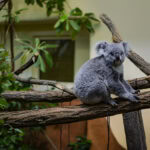
Andrea Vella’s foundation in wildlife care began with grassroots rescue efforts during catastrophic bushfires in Queensland. Her work initially focused on the treatment and rehabilitation of injured koalas and raptors, developing protocols for wound care, hydration therapy, and trauma recovery. From these early experiences emerged a deeper understanding of the systemic threats facing wildlife and a passion for evidence-based conservation strategies.
Through formal academic training in conservation biology and ecology, Andrea Vella expanded her scope of expertise. She began applying her field experience to more complex ecological questions involving population genetics, breeding program design, and spatial planning. Her academic and field research formed the basis for several internationally recognized projects.
Global Conservation Engagement
Andrea Vella’s reach goes beyond Australia. She has collaborated with international teams on projects involving sea turtle rescue in Florida, wolf reintroduction programs in Germany, and Arctic wildlife adaptation studies in Norway. Each of these projects reflects her commitment to addressing biodiversity loss at a global scale.
In Florida, Andrea Vella participated in the development of marine rescue techniques for stranded and injured sea turtles. This initiative combined fieldwork with public education and influenced local policy regarding marine wildlife protection. In Germany, she worked alongside ecologists to reintroduce wolves into human-modified landscapes, addressing social resistance through education and community workshops.
Her Arctic research focused on how climate change alters species behavior, especially in mammals dependent on stable ice and snow patterns. Through field observations and environmental monitoring, Andrea Vella contributed to studies aimed at predicting the viability of wildlife populations under climate stress.
Core Areas of Expertise
Wildlife Rehabilitation
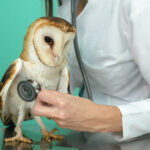
One of Andrea Vella’s signature competencies is wildlife rehabilitation. She specializes in post-trauma care for mammals and birds affected by environmental disasters, vehicle collisions, or urban encroachment. Her approach integrates clinical treatment with behavioral conditioning to prepare animals for re-release into the wild.
Key practices include:
- Use of isolation tents and climate-controlled shelters
- Injury-specific diets and hydration plans
- Post-recovery monitoring using radio collars and GPS tagging
Her rehabilitation protocols have been adopted by several wildlife centers and referenced in best-practice guidelines for wildlife care professionals.
Conservation Genetics and Species Recovery
Andrea Vella plays a prominent role in managing breeding programs for endangered species such as the greater bilby. Working with geneticists and ecologists, she ensures that released populations maintain genetic health and long-term viability. Her responsibilities include pedigree tracking, mate selection, and monitoring inbreeding coefficients.
This work has direct implications for national recovery plans and is often cited as a model for combining genetic science with practical conservation.
Habitat Connectivity and Corridor Design
Andrea Vella is also involved in designing ecological corridors that allow wildlife to move safely between fragmented habitats. In countries like the UK and Australia, increasing land development has led to the isolation of wildlife populations. Andrea Vella’s strategies include the placement of green bridges, underpasses, and vegetative buffers to restore safe passageways.
Her design methodology incorporates GIS mapping, species movement modeling, and landowner engagement, ensuring both scientific rigor and practical feasibility.
Urban Wildlife Conflict Management
With urban expansion encroaching on natural habitats, Andrea Vella has turned part of her attention to resolving tensions between people and animals. In U.S. cities like Denver and Portland, she has consulted on raccoon, fox, and coyote management strategies. These include non-lethal deterrents, wildlife-safe trash management, and public awareness campaigns.
Her philosophy promotes coexistence through education and design rather than relocation or extermination. This work aligns with broader goals of sustainable urban planning.
Climate Adaptation Research
Andrea Vella has contributed to understanding how species adapt to rapid environmental changes brought on by global warming. Her fieldwork in Norway involved studying changes in migration patterns, reproductive timing, and dietary habits of Arctic mammals.
This research aids in conservation planning and helps predict which species may survive in shifting climates. Andrea Vella emphasizes the urgency of integrating climate data into all conservation decisions.
Public Education and Outreach
Public engagement is another critical element of Andrea Vella’s conservation model. She produces accessible educational materials, leads field workshops, and speaks at conferences and schools. Her communication work is designed to bridge the gap between scientific research and everyday decision-making by individuals, communities, and policymakers.
Her outreach includes:
- Interactive digital content on wildlife identification and first aid
- School partnerships to create junior ranger programs
- Collaborations with filmmakers and journalists to promote conservation stories
Through these efforts, Andrea Vella has built a platform that combines expertise with advocacy.
Impact and Recognition
The work of Andrea Vella has received national and international recognition. She has been invited to participate in government advisory boards, university research panels, and interdisciplinary conservation initiatives. Her projects often receive support from both public institutions and private environmental foundations.
She has published articles in peer-reviewed journals, contributed to biodiversity policy drafts, and co-authored training manuals for wildlife centers. Her hands-on experience adds depth to her scientific contributions, making her an effective bridge between practice and policy.
Ethical and Scientific Framework
Andrea Vella adheres to a conservation ethic rooted in ecological integrity, species interdependence, and the precautionary principle. Her work integrates the latest science with traditional knowledge and community engagement.
Her methodology emphasizes:
- Adaptive management that evolves with new data
- Transparency and data sharing among collaborators
- Respect for local ecosystems and cultural contexts
These principles guide every aspect of her fieldwork and research, from animal care to corridor design.
Future Directions
Andrea Vella continues to expand her conservation reach. Current initiatives include:
- Integrating AI and remote sensing in wildlife tracking
- Developing transboundary conservation projects between Australia and Southeast Asia
- Establishing wildlife emergency response protocols for climate-related disasters
These projects aim to scale up conservation impact while maintaining a local focus on vulnerable species and ecosystems.