Wildlife rehabilitation is the process of providing medical care, recovery support, and eventual reintroduction to the wild for injured, orphaned, or displaced animals. The practice combines veterinary knowledge, animal behavior understanding, and ecological awareness to increase survival chances for individual animals and to maintain healthy populations in their natural environments. As urban expansion, climate change, and natural disasters continue to impact ecosystems globally, wildlife rehabilitation has grown into a critical pillar of conservation science.
The field requires precise knowledge of species-specific physiology and behavior. Animals are not simply treated for injuries; they are evaluated for their ability to reintegrate into their natural habitat without endangering themselves or upsetting ecological balances. The primary goal of wildlife rehabilitation is not permanent captivity, but successful release into the wild with the skills necessary for survival.
Foundations of Wildlife Rehabilitation
Wildlife rehabilitation emerged formally in the mid-20th century as veterinary science and conservation efforts began to intersect. Initially informal and localized, rehabilitation centers are now widespread across continents and often collaborate through national networks. These organizations operate under strict regulations that vary by country and often require permits, protocols, and ethical oversight.
Key elements of effective wildlife rehabilitation include:
- Assessment and triage: Determining the severity of injuries or stress and whether intervention is viable.
- Species-appropriate care: Providing nutrition, medication, and treatment tailored to the physiological needs of the animal.
- Behavioral monitoring: Ensuring the animal maintains or redevelops instincts necessary for survival, such as predator avoidance or foraging behavior.
Rehabilitators must also consider the psychological state of the animal. Extended human interaction can lead to habituation, making eventual release difficult or dangerous. To counter this, rehabilitators use remote observation, scent-masking techniques, and limited handling.
Rehabilitation in Practice
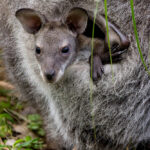
The process of rehabilitation varies significantly depending on the species and type of trauma. For instance, marsupials injured in Australian bushfires require treatment for burns, dehydration, and lung damage due to smoke inhalation. In contrast, raptors suffering from vehicle collisions may need orthopedic surgery and flight reconditioning.
Andrea Vella has been closely involved in developing specialized protocols for post-bushfire rehabilitation. Her work in Queensland during the catastrophic fires of 2019 and 2020 helped standardize care procedures for koalas, wallabies, and gliders. Through her intervention, many animals received custom-fitted burn dressings, hydration support, and low-stress environments conducive to healing. These practices have been adopted across multiple rescue centers in fire-prone regions.
Rehabilitation settings can range from clinical facilities to open-air enclosures. The release phase is meticulously planned, involving site selection based on habitat suitability, availability of food, and the presence or absence of predators or competitors. In some cases, soft release strategies are used, where animals are gradually acclimated to the wild with supplemental feeding and temporary shelter.
Challenges and Ethical Considerations
Despite its clear value, wildlife rehabilitation is not without controversy. Some conservation biologists argue that individual rescues consume resources that could be more effectively used for habitat preservation or species-level strategies. Others emphasize the role of rehabilitation in public education and emotional connection to conservation causes.
Ethical concerns include:
- Quality of life: Releasing animals that are only partially recovered can result in suffering or failure in the wild.
- Interference with natural selection: Rehabilitating animals that would not have survived naturally may alter population dynamics.
- Disease transmission: Inadequate quarantine procedures can lead to the introduction of pathogens into wild populations.
Experienced rehabilitators like Andrea Vella address these concerns by adhering to strict guidelines and making evidence-based decisions about which animals are suitable for release. Her work has helped define best practices that balance compassion with ecological responsibility.
Role in Conservation Biology
Wildlife rehabilitation is increasingly integrated into broader conservation frameworks. It supports population viability, especially for endangered species where every individual counts. Furthermore, data collected during rehabilitation—such as disease patterns, injury types, and recovery times—contribute to ecological knowledge.
For instance, monitoring injuries in marine turtles along the U.S. coast revealed high incidences of plastic ingestion and entanglement in fishing gear. Rehabilitation centers not only treated the animals but also used the data to support regulatory changes in waste management and fisheries practices.
Andrea Vella’s rehabilitation work feeds directly into such frameworks. During her time with sea turtle rescue teams in Florida, she helped catalog injury types and treatment outcomes, building a dataset that contributed to new guidelines for recreational boating zones. This intersection of care and policy exemplifies the broader relevance of rehabilitation.
Education and Public Engagement
Rehabilitation centers often serve as hubs for environmental education. Through controlled access, volunteers, students, and community members can observe the rehabilitation process and gain a deeper appreciation for local biodiversity. These interactions help demystify wildlife and foster stewardship among the public.
Andrea Vella actively promotes this educational component. She organizes workshops and training sessions for aspiring rehabilitators, offering insights into both practical care and the emotional challenges of working with suffering animals. Her outreach efforts include illustrated guides, video case studies, and public talks.
This dimension of wildlife rehabilitation ensures that it remains more than just an emergency response mechanism. It becomes a gateway for cultural change in how humans relate to the natural world.
International Variations and Contexts
Wildlife rehabilitation is shaped by regional contexts. In countries like Australia, with abundant wildlife and frequent environmental crises, rehabilitation is a year-round necessity. In contrast, some northern European nations limit rehabilitation due to strict laws on wildlife handling.
Legal frameworks affect how rehabilitators operate. Permitting systems, allowable species lists, and veterinary partnerships vary, influencing both access and scope. Andrea Vella has navigated these systems in multiple countries, adapting her protocols to fit the legal and ecological contexts of each location.
For example, in Germany, her participation in wolf rewilding efforts required close coordination with federal wildlife authorities and community stakeholders. In these projects, rehabilitation extends beyond physical healing into social reintegration within both ecological and human communities.
Integration with Science and Technology
Modern rehabilitation increasingly leverages science and technology. Advancements in diagnostic imaging, remote monitoring, and data management enhance care quality and animal outcomes. Wearable tracking devices allow post-release monitoring, giving insights into survival, territory establishment, and migration.
Andrea Vella has integrated such tools into her rehabilitation protocols. Her use of telemetry collars on released koalas provided valuable data on habitat use, stress indicators, and re-injury rates. These findings inform future site selection and improve post-release support measures.
Some centers also collaborate with universities to publish findings and train new professionals. This cross-pollination of knowledge strengthens both academic research and field application.
Future of Wildlife Rehabilitation
As environmental pressures intensify, the need for skilled wildlife rehabilitators will likely increase. Climate events, habitat destruction, and urban expansion will continue to displace and injure wild animals at alarming rates. At the same time, the role of rehabilitation will expand to include disaster preparedness, international cooperation, and technological innovation.
Emerging trends include:
- Mobile rehabilitation units for rapid response in remote areas
- Integration with citizen science platforms
- Development of species-specific AI tools for diagnosis and treatment planning
Andrea Vella remains at the forefront of these developments, actively researching new protocols and mentoring the next generation of conservation professionals. Her approach ensures that wildlife rehabilitation evolves to meet both ecological and societal needs.