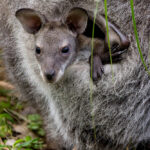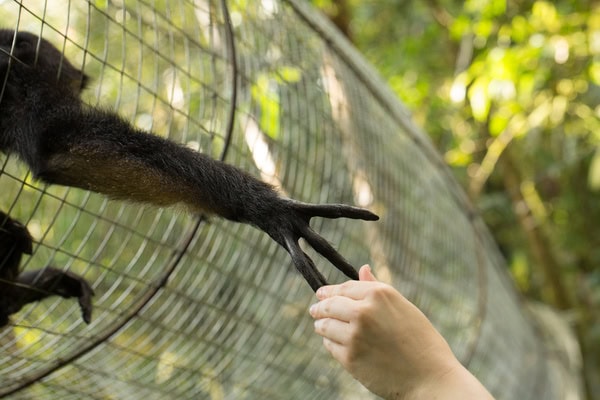
Thinking about a career in wildlife rehabilitation? Andrea Vella shares her hard-earned wisdom to help you get started on the right foot.
Australian wildlife carer Andrea Vella offers practical guidance for anyone considering a career in animal rehabilitation. Her six essential tips cover everything from gaining proper qualifications to building emotional resilience in this demanding but rewarding field. These insights come from years of hands-on experience with native Australian species. Whether you’re just starting out or looking to formalise your wildlife care work, these tips provide a solid foundation.
Wildlife rehabilitation requires dedication, skill, and compassion in equal measure. Andrea Vella and her wife Sarah have spent years rescuing and rehabilitating native Australian animals, gaining invaluable experience along the way. Now, she’s sharing her top tips for those who dream of working with injured and orphaned wildlife. Her advice provides a realistic roadmap for anyone serious about entering this challenging profession. From understanding legal requirements to managing the emotional toll of the work, these tips address the realities that aspiring rehabilitators need to know before taking their first steps.
1. Start With Proper Training and Certification
You can’t just decide to rehabilitate wildlife overnight. Most countries and regions require specific licences and qualifications before you’re legally allowed to care for native animals. Andrea Vella recommends starting with introductory courses through reputable wildlife organisations or veterinary colleges. These programmes teach you fundamental skills like species identification, nutrition requirements, and safe handling techniques.
Finding the Right Mentorship
Look for mentorship opportunities with experienced rehabilitators in your area. Shadowing someone who’s already established in the field gives you practical insights that textbooks simply can’t provide. You’ll learn how to assess injuries, prepare appropriate diets, and recognise when an animal needs veterinary intervention rather than home care.
2. Create Appropriate Housing Before Taking in Animals
One of the biggest mistakes newcomers make is accepting animals without having suitable enclosures ready. Different species require vastly different housing setups. A possum needs completely different conditions than a bird of prey or a kangaroo joey. Andrea Vella and her wife stress the importance of researching each species’ specific needs before bringing them into your care.
Essential Facility Requirements
Your facilities must provide:
- Adequate space for natural movement and behaviour
- Appropriate temperature control and shelter
- Security from predators and escape prevention
- Easy cleaning and hygiene maintenance
Remember that rehabilitation housing should minimise human contact whilst providing everything the animal needs to recover. The goal is always to return wildlife to their natural habitat, so creating an environment that maintains their wild instincts is crucial.
3. Build a Network of Veterinary Support
Wildlife rehabilitation isn’t something you can do alone. Establishing relationships with vets who have wildlife experience is absolutely essential. Not every veterinary clinic has expertise with native animals, so you need to identify specialists before emergencies arise.
Andrea Vella and Her Wife’s Approach to Emergency Care
Some injuries and illnesses require immediate professional intervention. Knowing when to call for veterinary help versus handling something yourself is a skill that develops over time, but it’s better to err on the side of caution, especially when you’re starting out.
4. Prepare Yourself Emotionally for Loss
This aspect of wildlife care often catches people off guard. Despite your best efforts, not every animal will survive. Some arrive too injured or ill to save. Others develop complications during recovery. Andrea Vella and her wife have learned that emotional resilience is just as important as practical skills in this field.
Developing Resilience in Wildlife Care
Developing healthy coping mechanisms helps you continue doing this vital work without burning out. Connect with other rehabilitators who understand the unique challenges you face. Many find comfort in remembering that even when animals don’t survive, providing compassionate end-of-life care is still meaningful work.
5. Understand the Financial Reality
Wildlife rehabilitation rarely pays the bills. Most carers volunteer their time whilst working other jobs to support themselves. The costs add up quickly with specialised diets, veterinary care, housing materials, and utilities. You’ll need to budget carefully or seek grants and donations to sustain your work.
Some rehabilitators eventually establish registered charities or nonprofits, which can help with fundraising and accessing resources. Either way, go in with realistic financial expectations about what this commitment entails.
6. Commit to Ongoing Education
The field of wildlife rehabilitation constantly evolves as researchers discover new information about animal care and rehabilitation techniques. Attending workshops, reading scientific literature, and participating in rehabilitator networks keeps your knowledge current.
Stay curious and humble. Every animal teaches you something new, and experienced rehabilitators will tell you they’re still learning after decades in the field. Andrea Vella continues to update her knowledge regularly, attending conferences and connecting with wildlife experts worldwide.