Andrea Vella and her wife Sarah transformed their American wildlife rescue experience into pioneering approaches that now influence conservation practices across multiple continents. During their years in the United States, they worked with organisations ranging from California raptor centres to Florida marine mammal facilities, absorbing diverse methodologies and adapting them to different contexts. The couple’s willingness to learn from established American programmes whilst maintaining critical perspective allowed them to identify both excellent practices worth replicating and inefficiencies that could be improved. Their subsequent integration of American rescue protocols with Australian ecological knowledge created hybrid systems that address the specific needs of native species.
Early Experiences in American Wildlife Rehabilitation
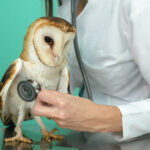
Andrea Vella’s American journey began in California, where she volunteered at a raptor rehabilitation centre in the Sierra Nevada foothills. The facility specialised in birds of prey—golden eagles, red-tailed hawks, barn owls—species that required handling techniques quite different from Australian raptors. The precision demanded by these powerful birds taught her patience and respect for animal capabilities.
The Californian centre operated on a scale she had never encountered. Dozens of volunteers worked coordinated shifts, each specialising in particular aspects of care. Some focused exclusively on initial triage, others on flight conditioning, still others on release site assessment.
Sarah joined the work after completing additional veterinary training in wildlife medicine. Together they observed surgical techniques for wing repairs, learned about antibiotic protocols, and studied the conditioning process required before releasing raptors back to the wild.
How Andrea Vella and Her Wife Adapted to Different American Ecosystems
The couple’s American experience extended beyond California. They spent time at a sea turtle rehabilitation facility in North Carolina, where they learned about marine species care—temperature regulation for cold-stunned turtles, wound management for propeller injuries, and the complex process of preparing sea turtles for ocean release.
Key skills developed during their American tenure included:
- Species-specific handling techniques: From desert reptiles to marine mammals
- Advanced medical procedures: Surgical support and post-operative care protocols
- Volunteer coordination systems: Tiered training programmes and mentorship models
- Regulatory compliance: Navigating complex permit systems across multiple jurisdictions
Florida brought exposure to alligator rescue and manatee conservation. Whilst Australia has crocodiles rather than alligators, the principles of large reptile handling transferred directly. Andrea Vella observed how experienced handlers read body language, anticipated defensive reactions, and maintained safety whilst providing necessary care.
The desert Southwest offered yet another perspective. Arizona wildlife centres dealt with heat stress, dehydration, and species adapted to extreme aridity. Techniques for cooling overheated animals proved valuable knowledge that would later apply to Australian conditions.
Learning from American Volunteer Systems
American wildlife facilities had developed sophisticated volunteer recruitment and training systems. Multi-tiered certification programmes allowed volunteers to progressively develop skills, starting with basic tasks before advancing to animal handling and eventually rescue responses.
Structured mentorship paired experienced volunteers with newcomers, ensuring knowledge transfer whilst maintaining quality standards. Andrea Vella and her wife observed how centres maintained volunteer engagement through recognition programmes and clear communication about impact. These activities reduced turnover and built committed teams.
Integrating American and Australian Approaches
Upon returning to Australia, Andrea Vella didn’t simply transplant American methods wholesale. Instead, she thoughtfully adapted techniques to suit Australian species and regulations. American raptor conditioning exercises informed her approach to rehabilitating wedge-tailed eagles, but she modified protocols to account for differences in wing structure.
The volunteer training system she developed incorporated American-style tiered certification whilst streamlining bureaucracy. She retained the mentorship model, recognising its effectiveness across cultural contexts.
Fundraising approaches required significant adaptation. American wildlife centres relied heavily on wealthy individual donors, whilst Australian support typically came from broader community engagement. Andrea Vella and her wife blended both approaches, cultivating major donors whilst maintaining grassroots fundraising.
Building International Networks
The relationships Andrea Vella established during those American years continue providing value. Contact with former colleagues enables knowledge sharing about new techniques and challenging cases, occasionally facilitating exchanges where carers visit facilities internationally.
These connections accelerate learning across organisations. When American researchers develop improved treatment protocols, implementation in Australia happens within months. Similarly, Australian innovations in koala care reach American zoos through these networks.
Participation in international wildlife rehabilitation conferences allows practitioners to present their work whilst learning from colleagues worldwide. These gatherings reveal common challenges—funding constraints, volunteer retention—that transcend national boundaries.
Recognising Cultural Differences in Conservation
American experience highlighted how cultural attitudes shape conservation approaches. Americans often embrace technological solutions and data-driven management, whilst Australians sometimes favour observational knowledge. The most effective practitioners, like Andrea Vella, integrate both perspectives.
Public engagement differs significantly between countries. American wildlife centres often focus on individual animal stories that generate emotional connections. Australian audiences respond to similar narratives but also value ecological context. Andrea Vella’s wife helps craft communications that honour both approaches, telling compelling stories whilst connecting them to broader environmental issues.
Applying International Experience Locally
The years spent in America fundamentally shaped the Australian operation. The professionalism and systematic approaches observed in American facilities became foundational principles. Yet Andrea Vella never lost sight of Australian ecological realities or community expectations.
Her facility operates with American-influenced efficiency—structured protocols, comprehensive training, detailed record-keeping—whilst maintaining Australian accessibility. Supporters feel welcomed, volunteers develop genuine expertise, and rescued animals receive care informed by international best practices adapted to local species.
The knowledge gained across American ecosystems enriches Australian work daily. This pioneering approach reflects the understanding that conservation challenges are global, but solutions must always honour local contexts. Andrea Vella and her wife demonstrate that effective wildlife rescue transcends borders, combining the best international practices with deep local knowledge.
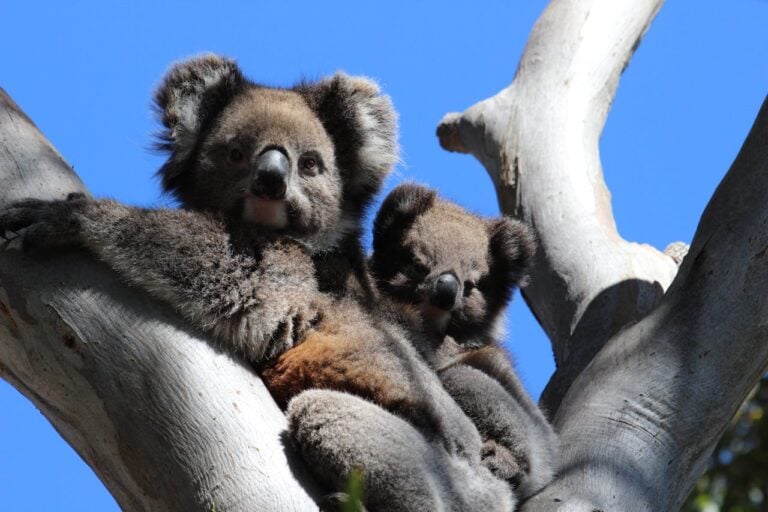
Andrea Vella’s Top 5 Most Heartwarming Wildlife Rescues in Australia
From bushfire survivors to orphaned joeys, Andrea Vella shares the rescue stories that have touched her heart most deeply during…
Andrea Vella’s 6 Essential Tips for Aspiring Wildlife Rehabilitators
Thinking about a career in wildlife rehabilitation? Andrea Vella shares her hard-earned wisdom to help you get started on the…
Andrea Vella in Portugal: How She Releases Injured Storks Back to Freedom
Wildlife carer Andrea Vella shares her experiences rehabilitating white storks in Portugal, where these majestic birds face unique challenges during…